
Lyme Disease: The Hidden Impact of a Tiny Bite
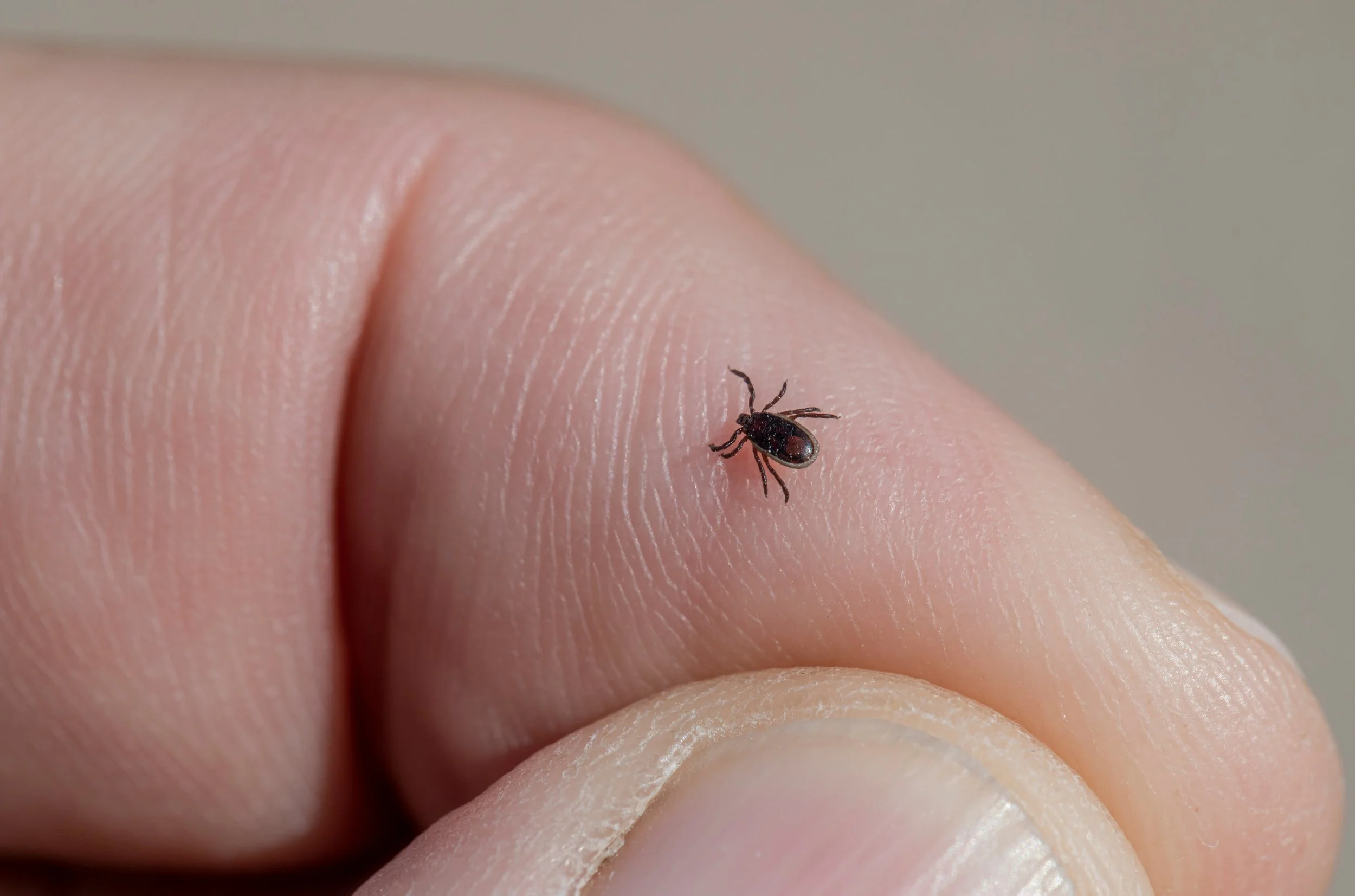
About Lyme Disease
Lyme disease is a bacterial infection transmitted to humans through the bite of an infected tick. It can affect people of all ages and is found across the UK, Europe, North America and other parts of the world.
The infection is usually treatable with antibiotics, particularly when recognised early. However, Lyme disease can be difficult to identify because symptoms vary considerably and not everyone develops the distinctive circular rash commonly associated with the condition.
Recognising the Symptoms
Early symptoms of Lyme disease can appear days or weeks after a tick bite and may include:
An expanding circular or oval rash, known as erythema migrans
Extreme tiredness or fatigue
Headaches
Fever or flu-like symptoms
Muscle and joint aches
Swollen glands
Not everyone remembers being bitten by a tick, and not everyone develops a rash, which can make Lyme disease harder to recognise.
What Can Happen if Lyme Disease Is Left Untreated?
Without appropriate treatment, the bacteria can spread beyond the initial site of infection and affect different parts of the body, including the joints, nervous system and heart.
Untreated Lyme disease can lead to more serious symptoms such as:
Severe joint pain and swelling, particularly affecting large joints such as the knees
Nerve pain, numbness or weakness
Facial palsy, causing weakness or drooping on one or both sides of the face
Severe headaches and neck stiffness associated with inflammation affecting the nervous system
Problems with memory or concentration
Dizziness and shortness of breath
Heart palpitations or abnormal heart rhythms, known as Lyme carditis
In some cases, inflammation involving the brain or spinal cord
Neurological Lyme disease can cause symptoms including pain, numbness, weakness and facial paralysis, while Lyme carditis can affect the electrical signals controlling the heartbeat.
The Longer-Term Impact
For some people, the effects of Lyme disease can extend well beyond the initial infection. Even following recommended antibiotic treatment, a proportion of people report prolonged symptoms such as severe fatigue, body aches and difficulty thinking or concentrating. The reasons why these symptoms persist in some patients are still not fully understood.
These symptoms can have a significant impact on everyday life — affecting someone's ability to work, study, exercise, socialise and carry out normal daily activities.
Why Awareness Matters
Early diagnosis and treatment can help prevent the more serious complications associated with Lyme disease. Greater awareness means more people can recognise the possible symptoms, understand the risks posed by ticks and seek medical advice promptly.
It is also why continued research, education and support for those affected by Lyme disease are so important.
Through our Lyme Horizon Atlantic row, we want to help increase understanding of the disease, support people and families whose lives have been affected by it, and raise funds for organisations working towards better diagnosis, treatment and research.